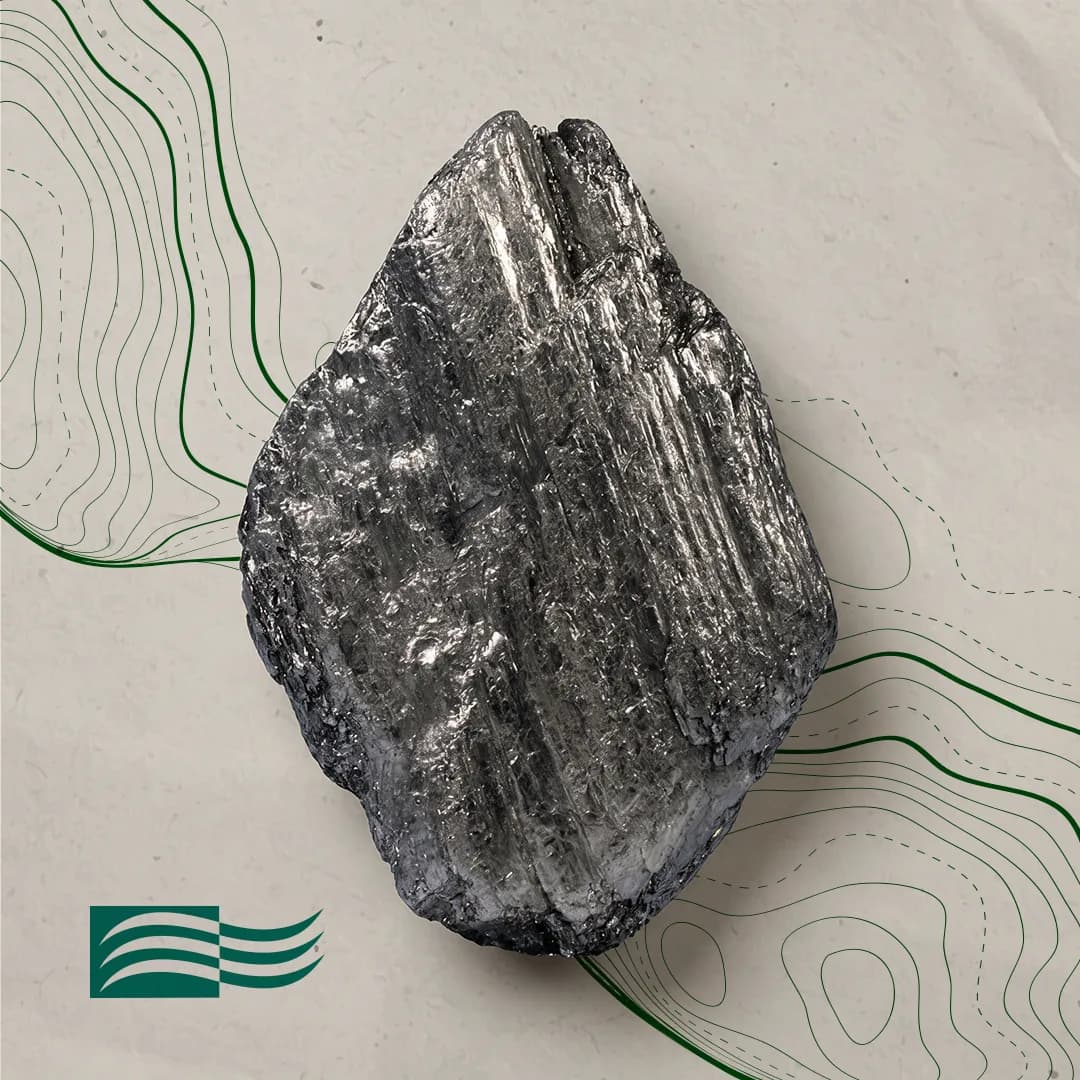
High-purity graphite
Input for lithium-ion battery anodes, with fronts in Jequitinhonha, Malacacheta and Ibicaraí.
SUBSTANCES
Each substance is here for what it becomes at the end of the chain, not for the geology of the deposit in isolation.
Input for lithium-ion battery anodes, with fronts in Jequitinhonha, Malacacheta and Ibicaraí.
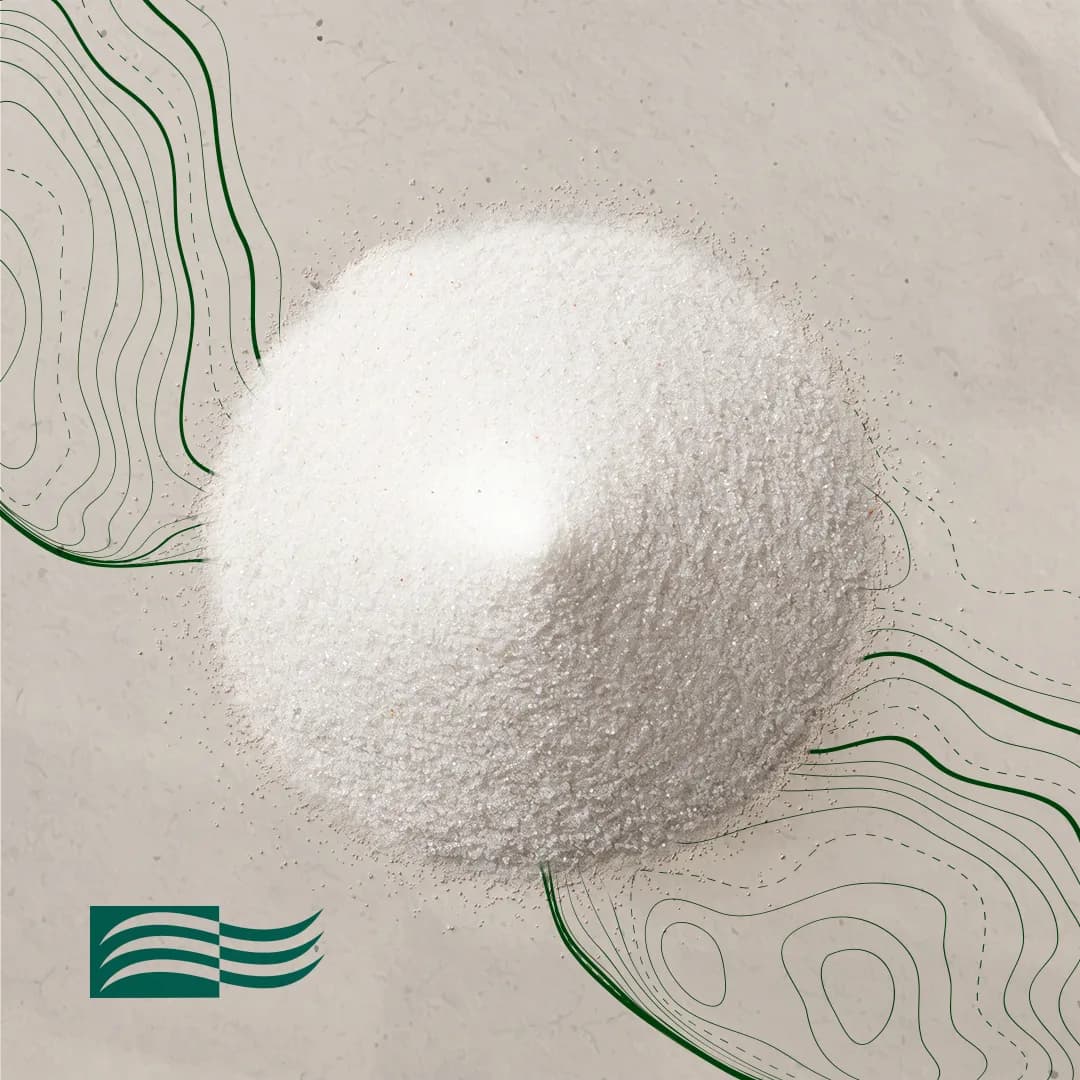
Grade of 99.88% purity, with potential for the 5N standard required by the silicon industry.
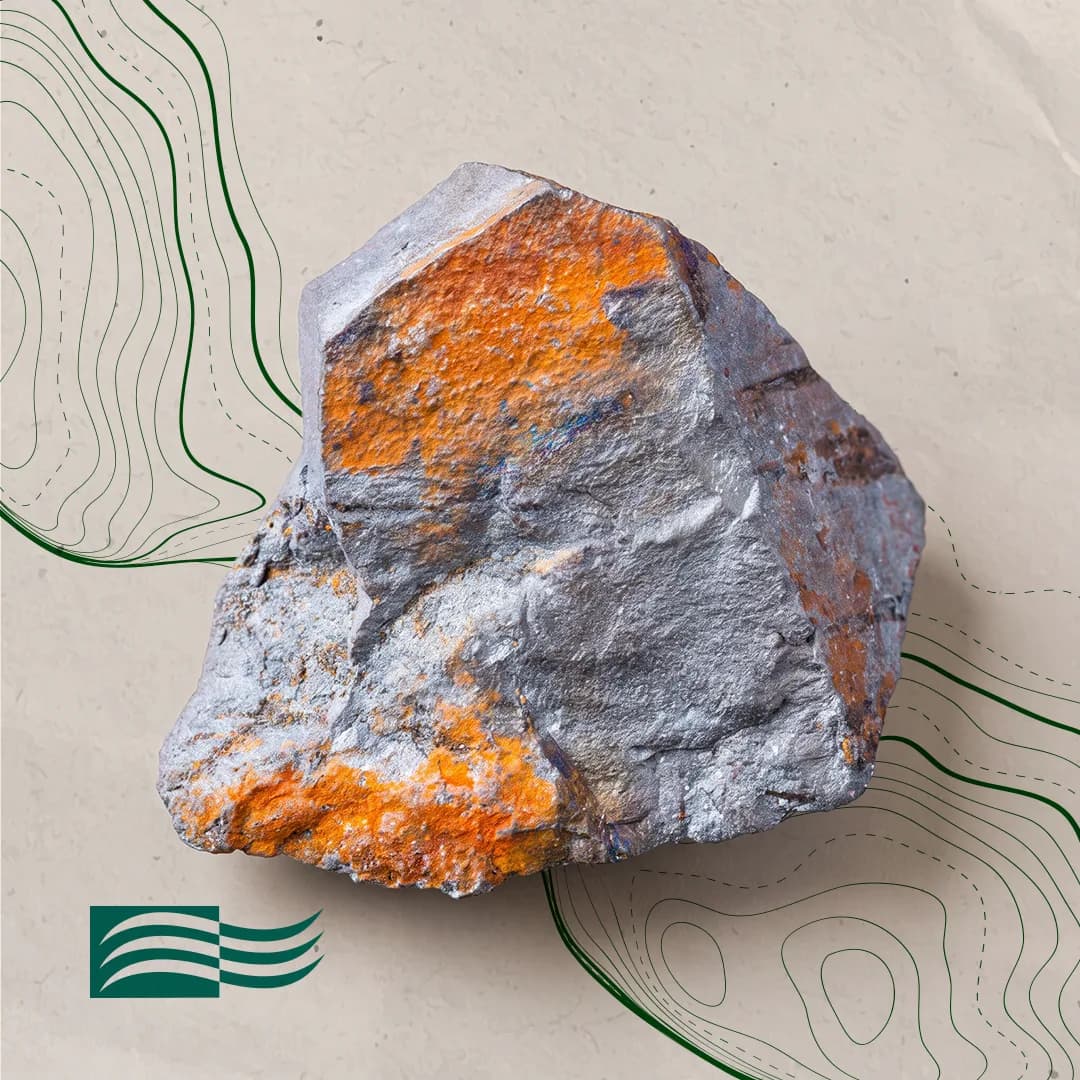
Raw material for steelmaking, present in the Perdões, Barbacena and Barão projects.
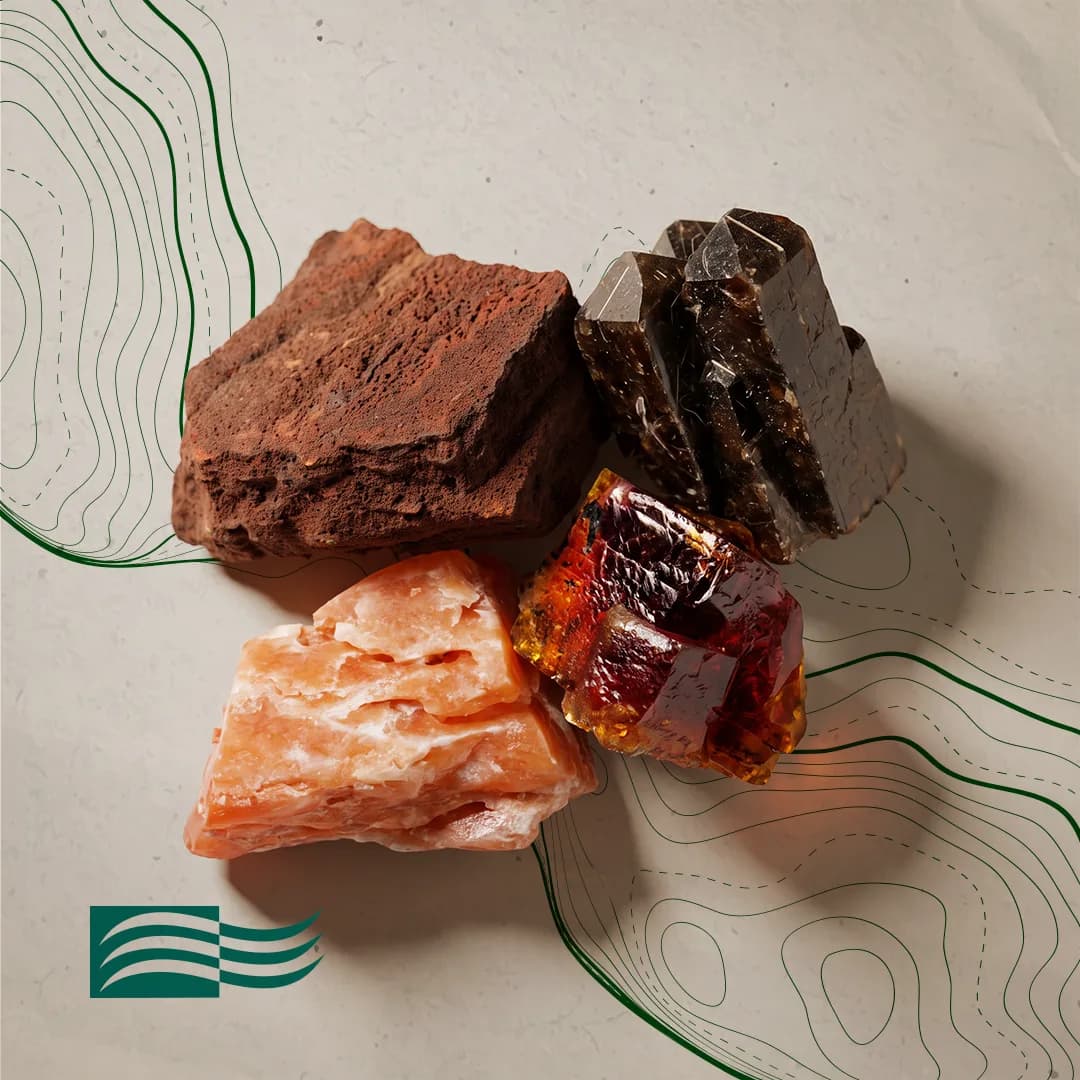
Base of the permanent magnets used in electric motors and in high-technology applications.
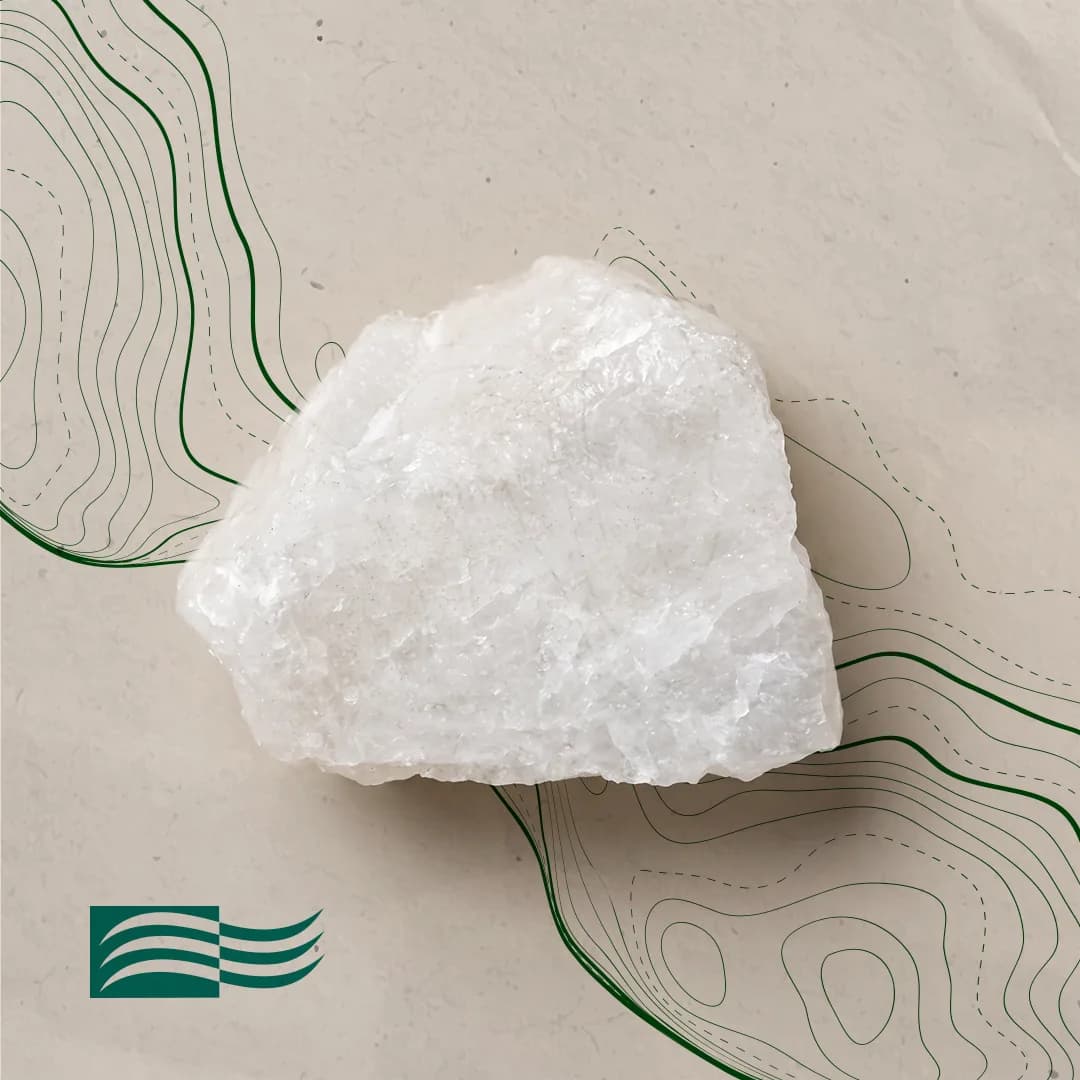
Direct application in the electronics industry and in the semiconductor chain.
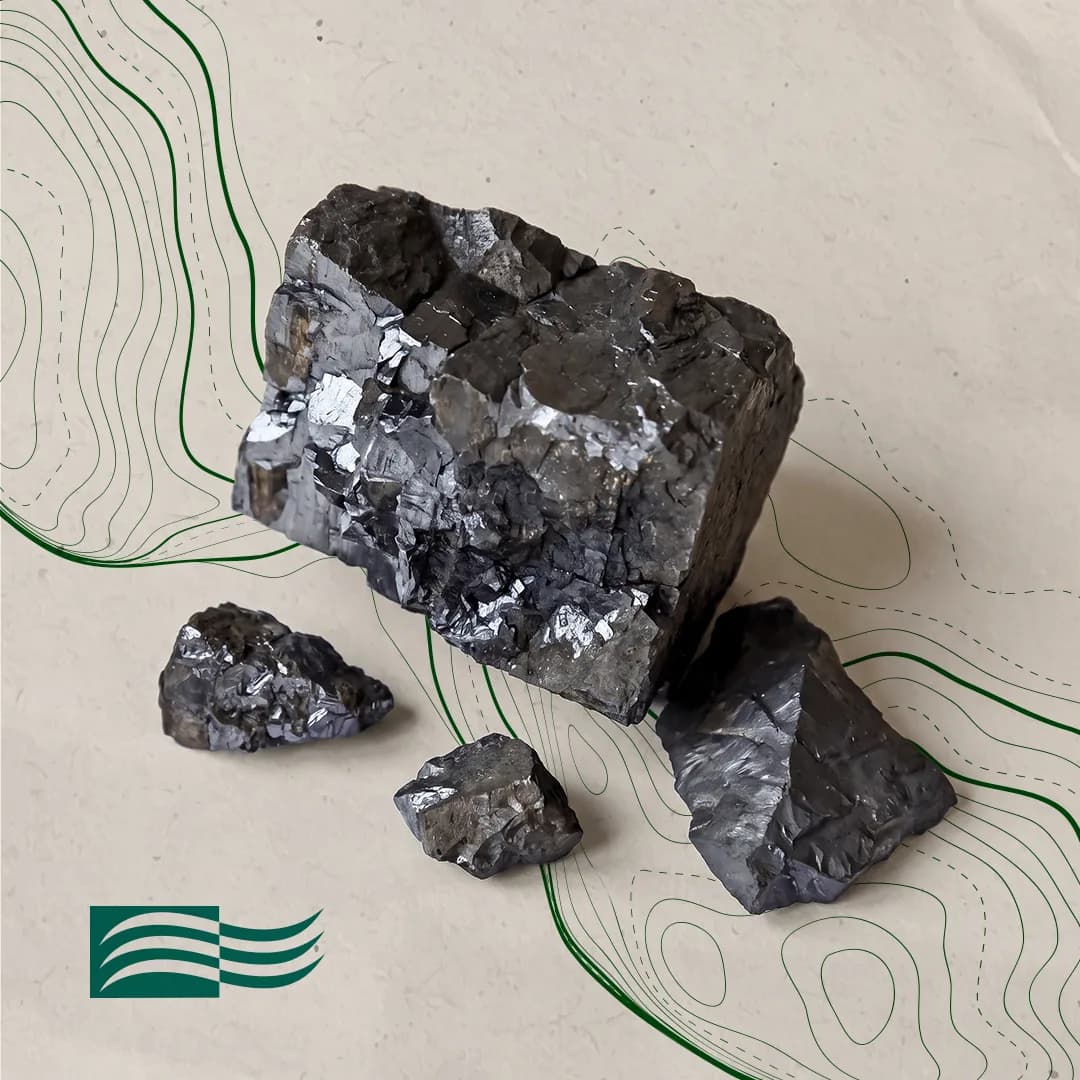
Used as a desulphurising agent and as an alloy in steel production.
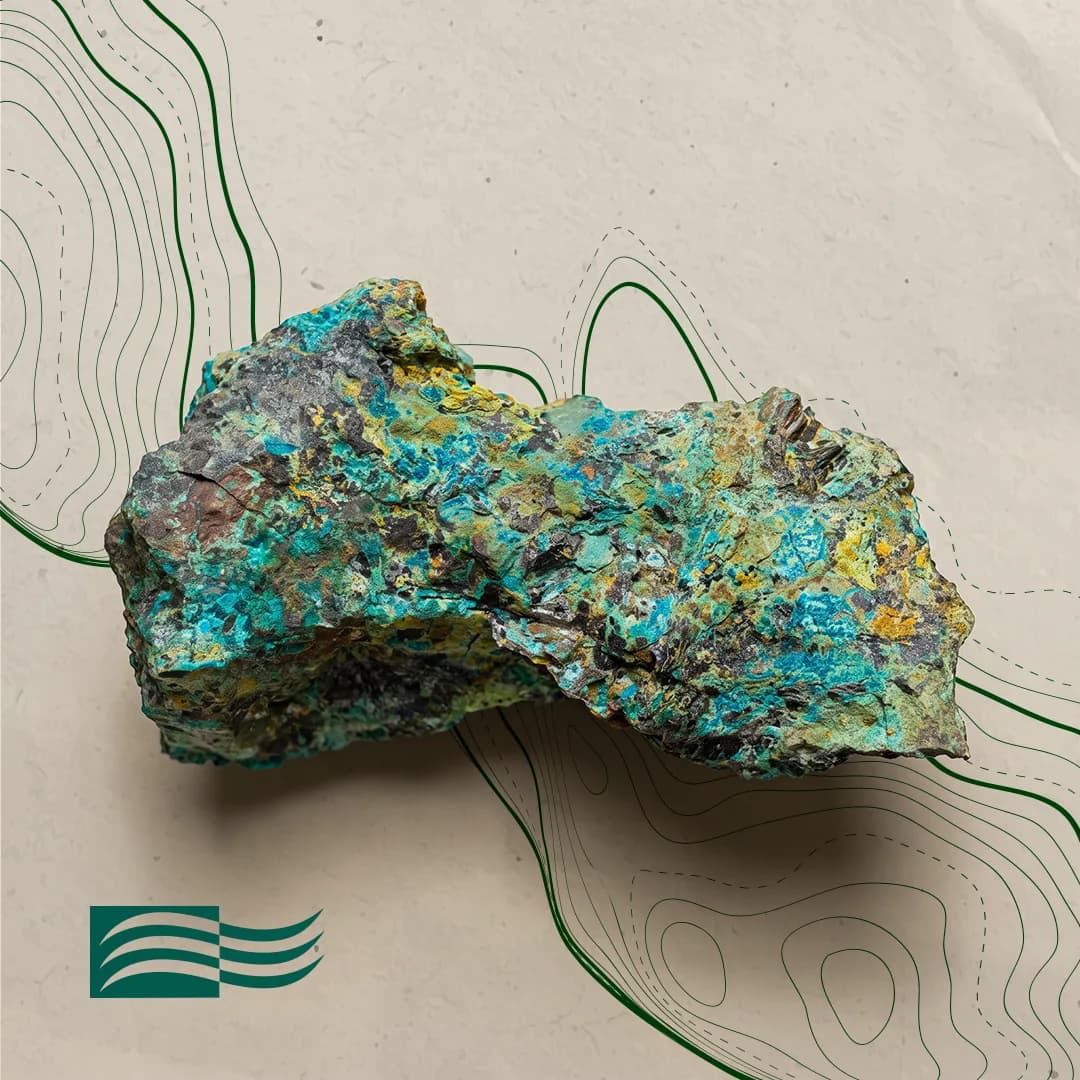
The electrical conductor of electrification: transmission grid, motors, transformers and cabling.
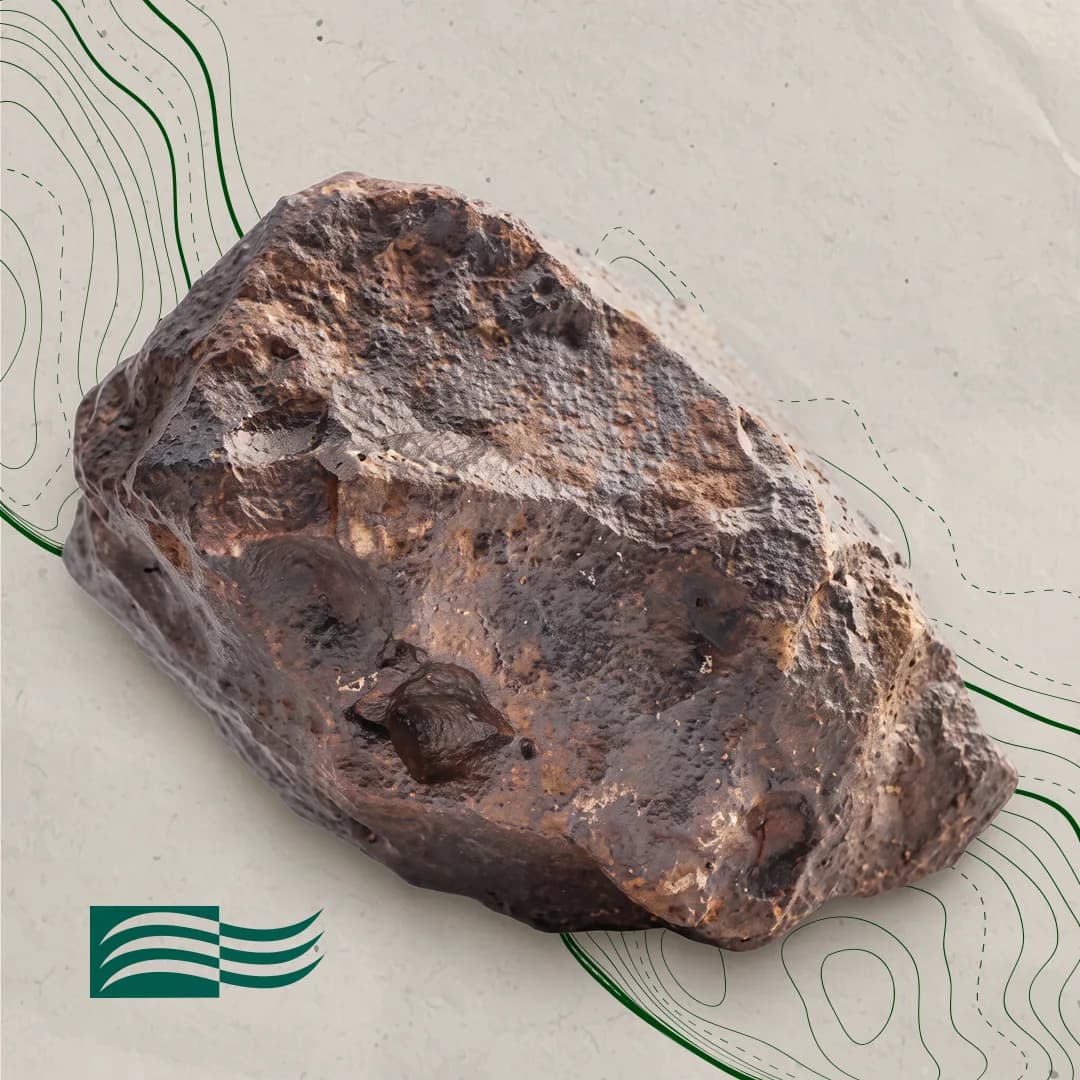
Applied in the galvanising of steel, a process that protects the structure against corrosion.
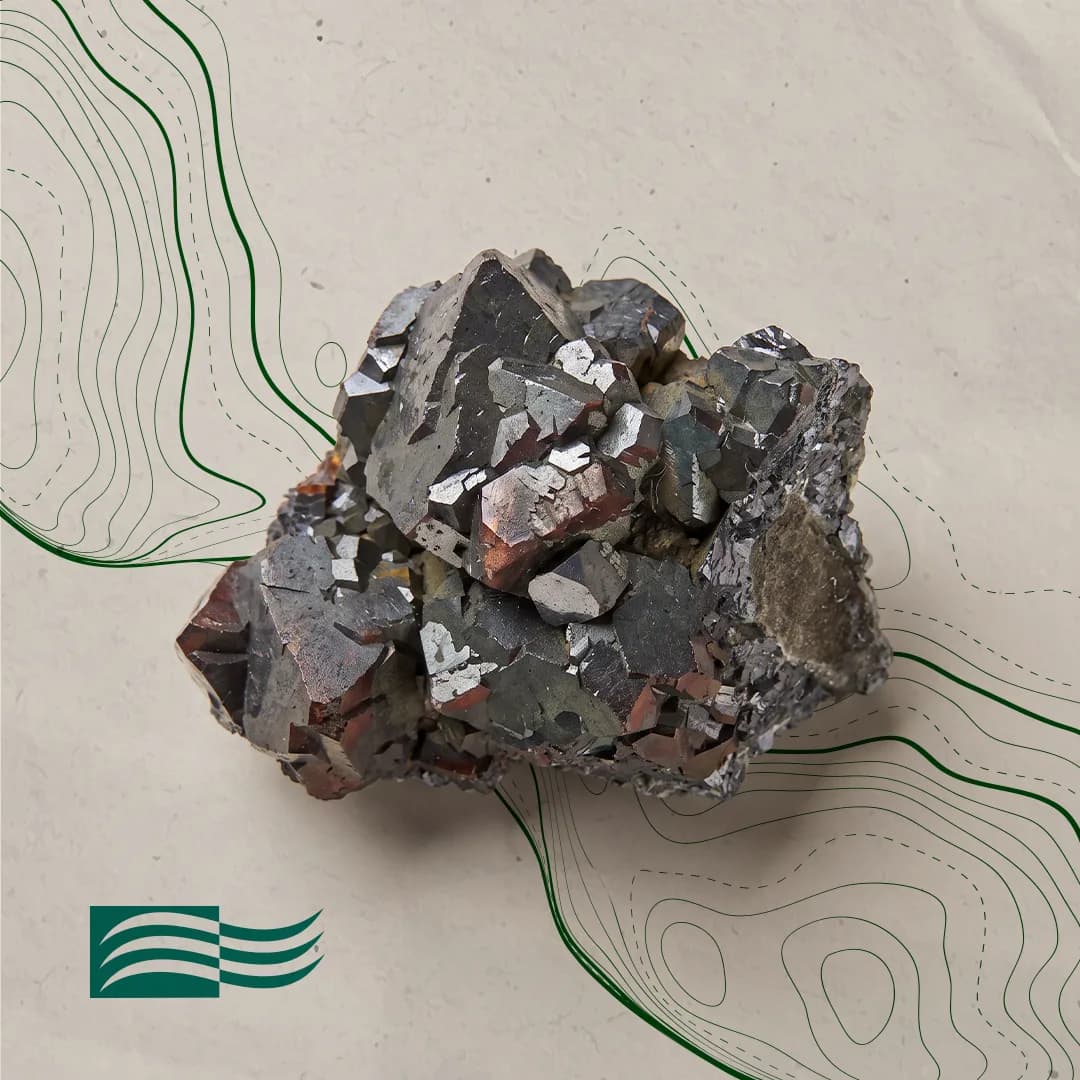
Used in industrial batteries and in shielding against ionising radiation.
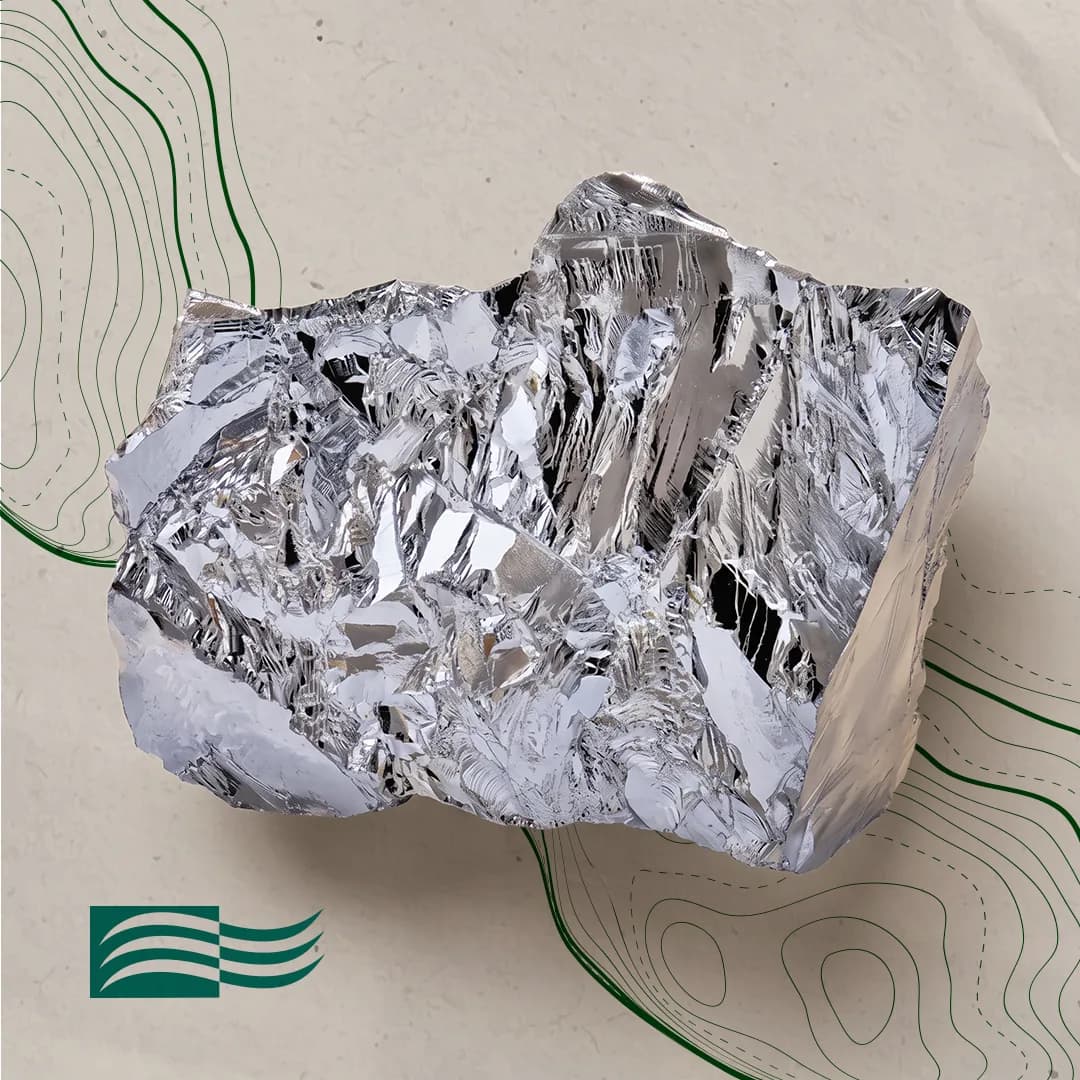
Component of stainless steel and of high energy density battery cathodes.
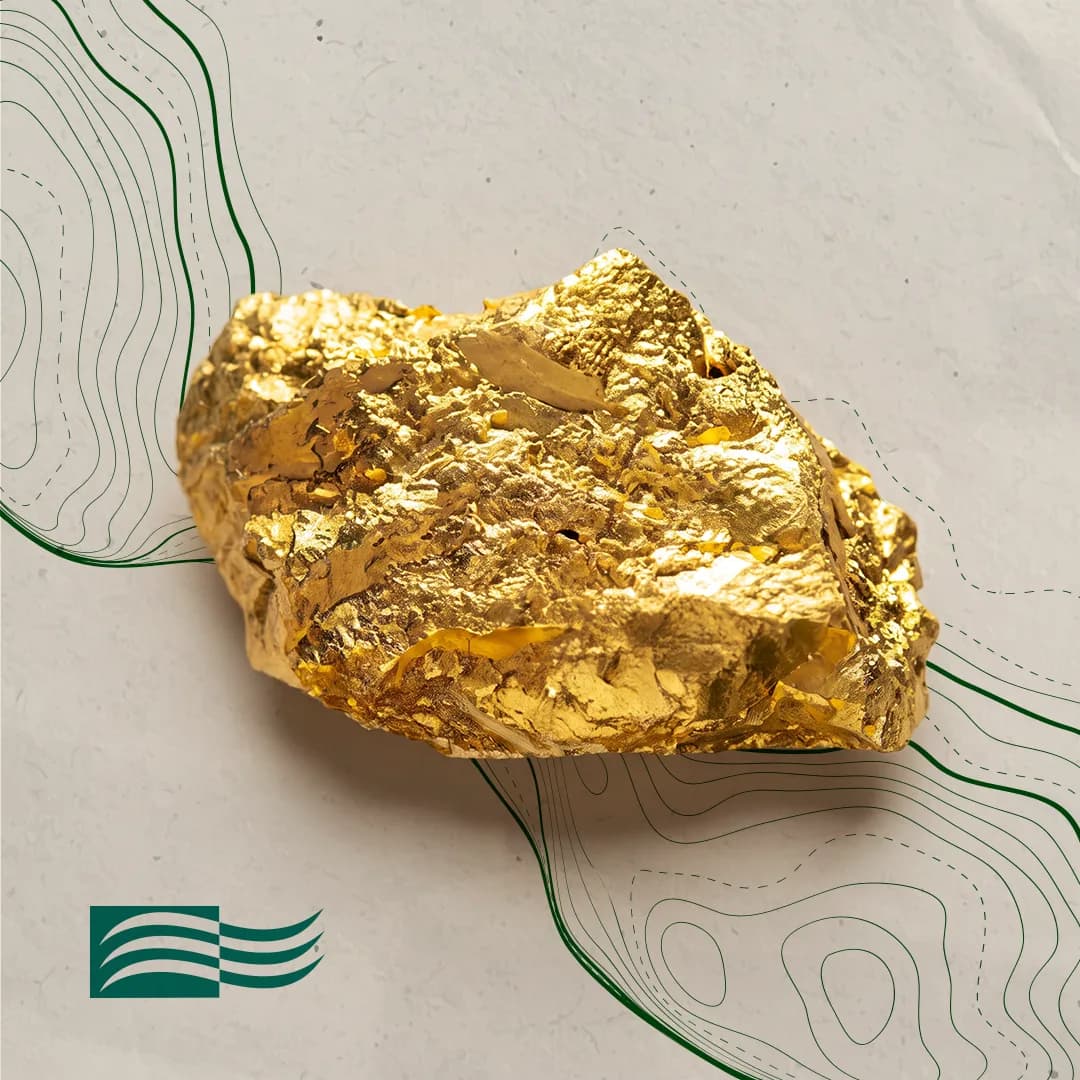
A store-of-value metal and an input for electrical contacts in the electronics industry.
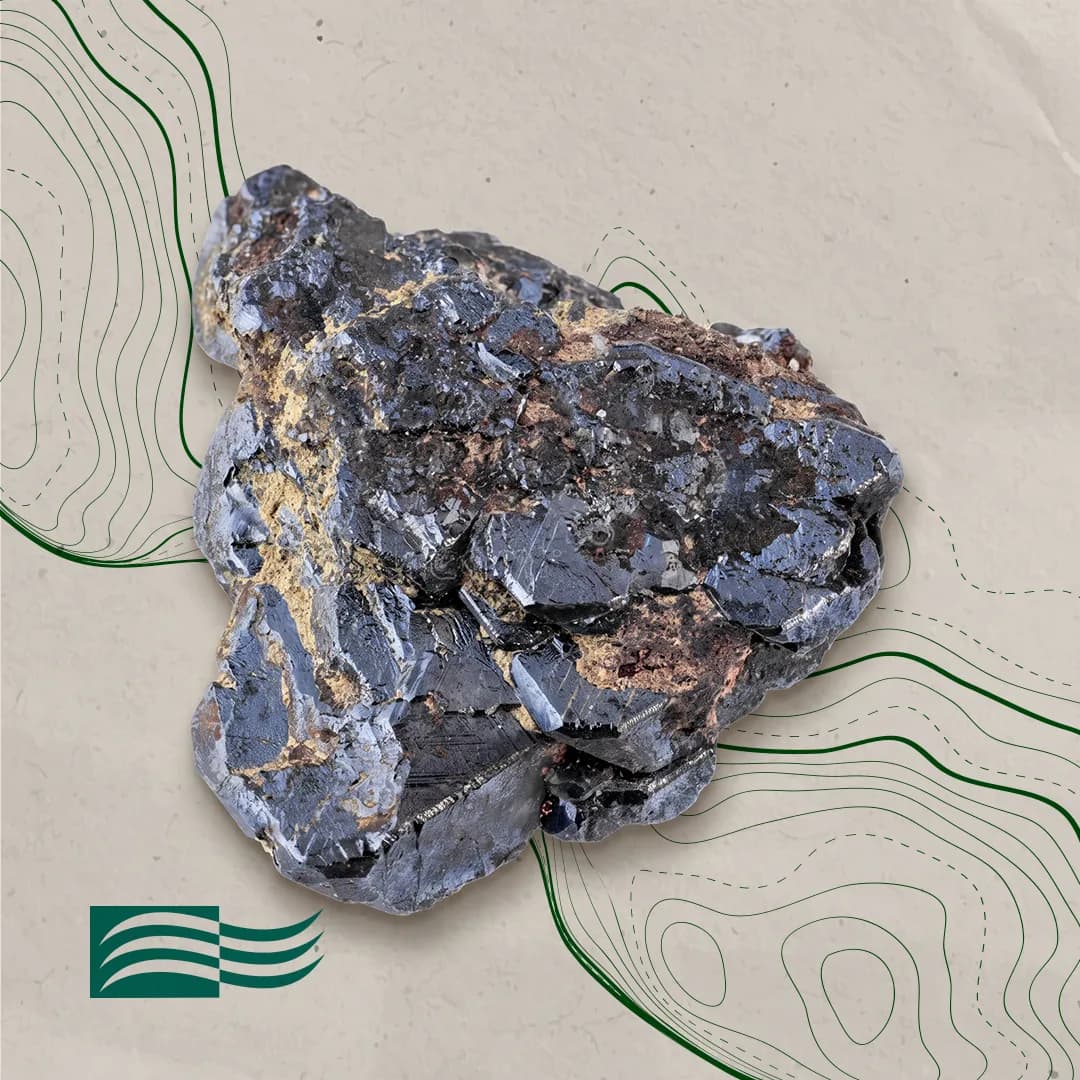
White pigment for paints and plastics, and a metal alloy of high mechanical strength.
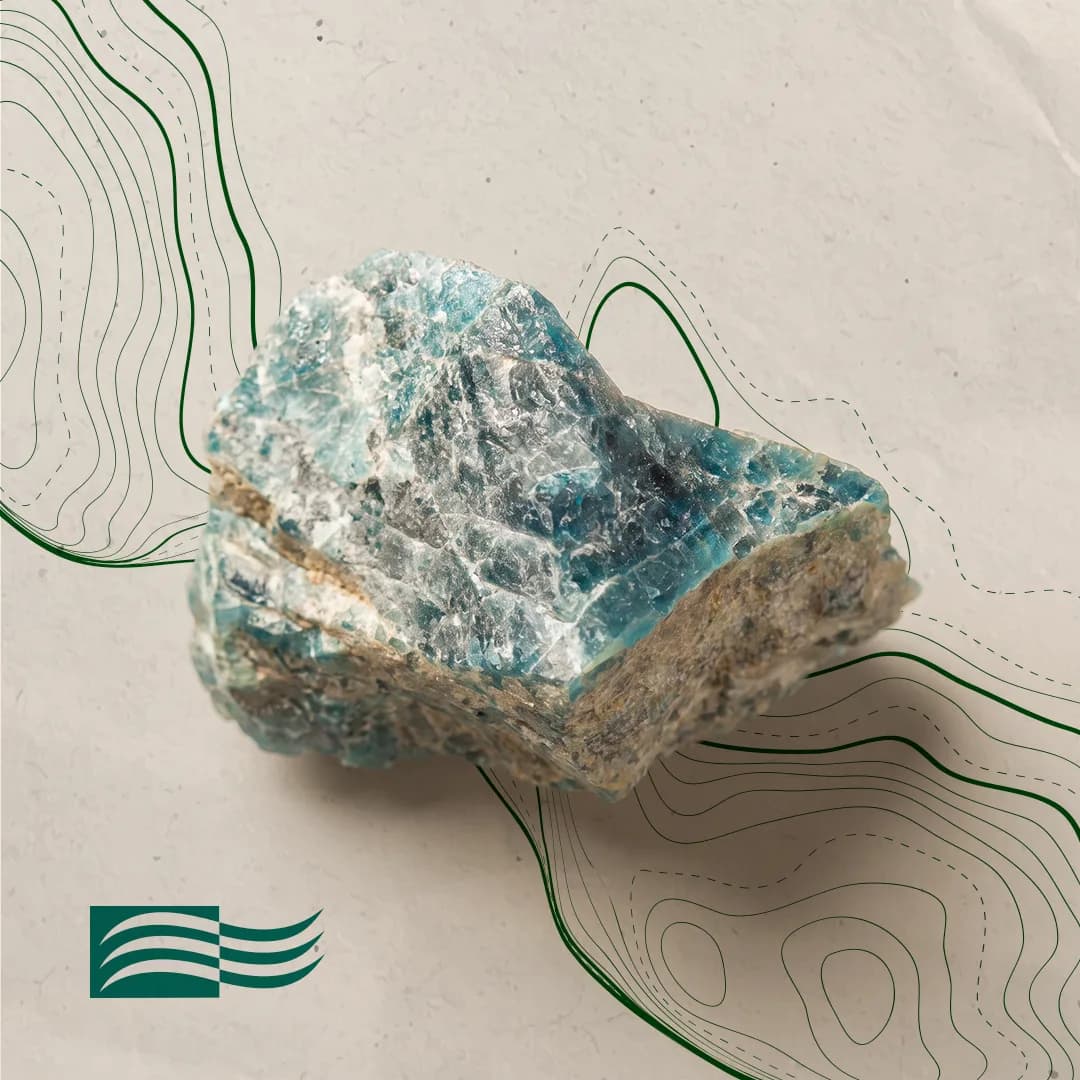
Input for the fertiliser industry, the base of Brazilian agricultural production.
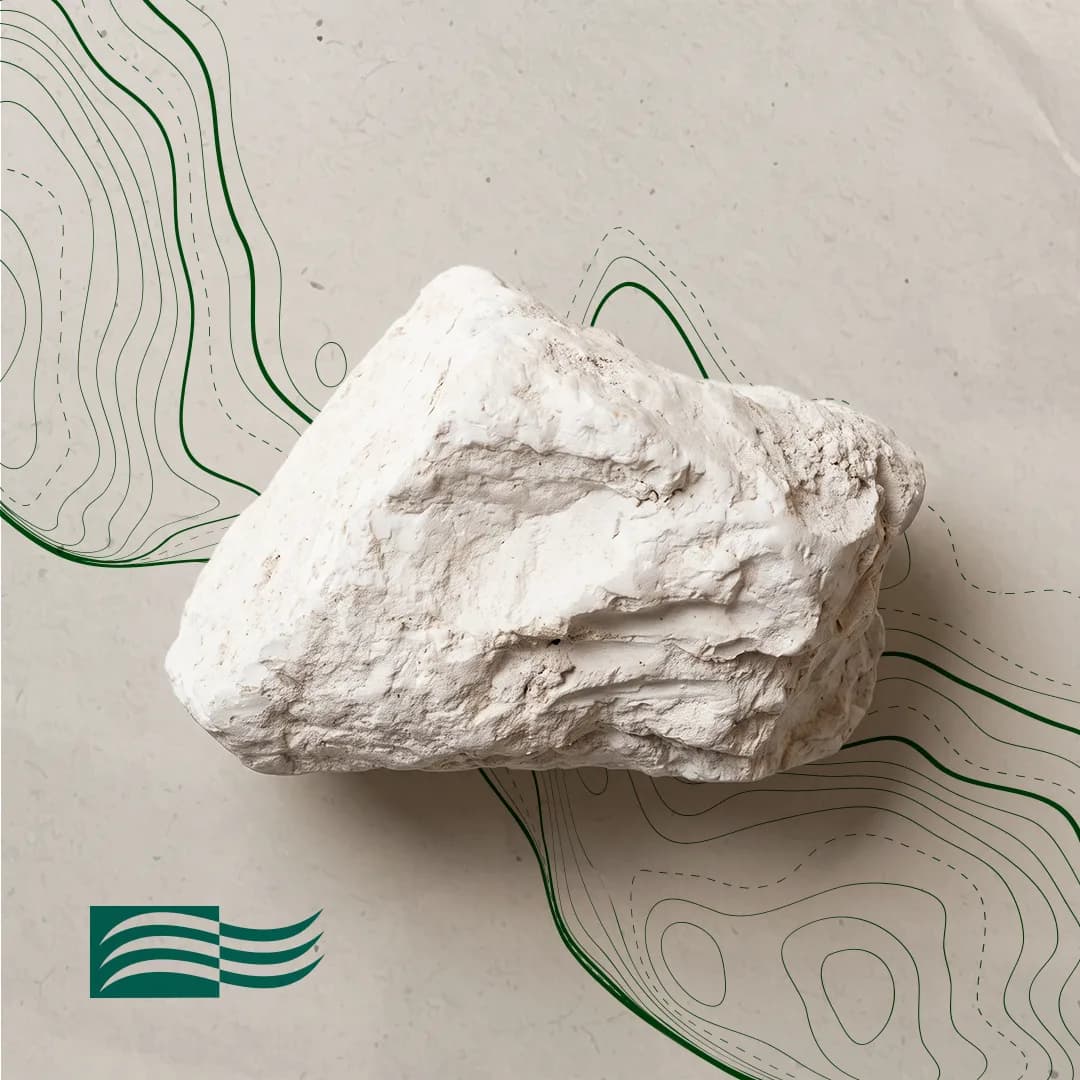
Soil conditioner and an input for the cement industry and for metallurgy.
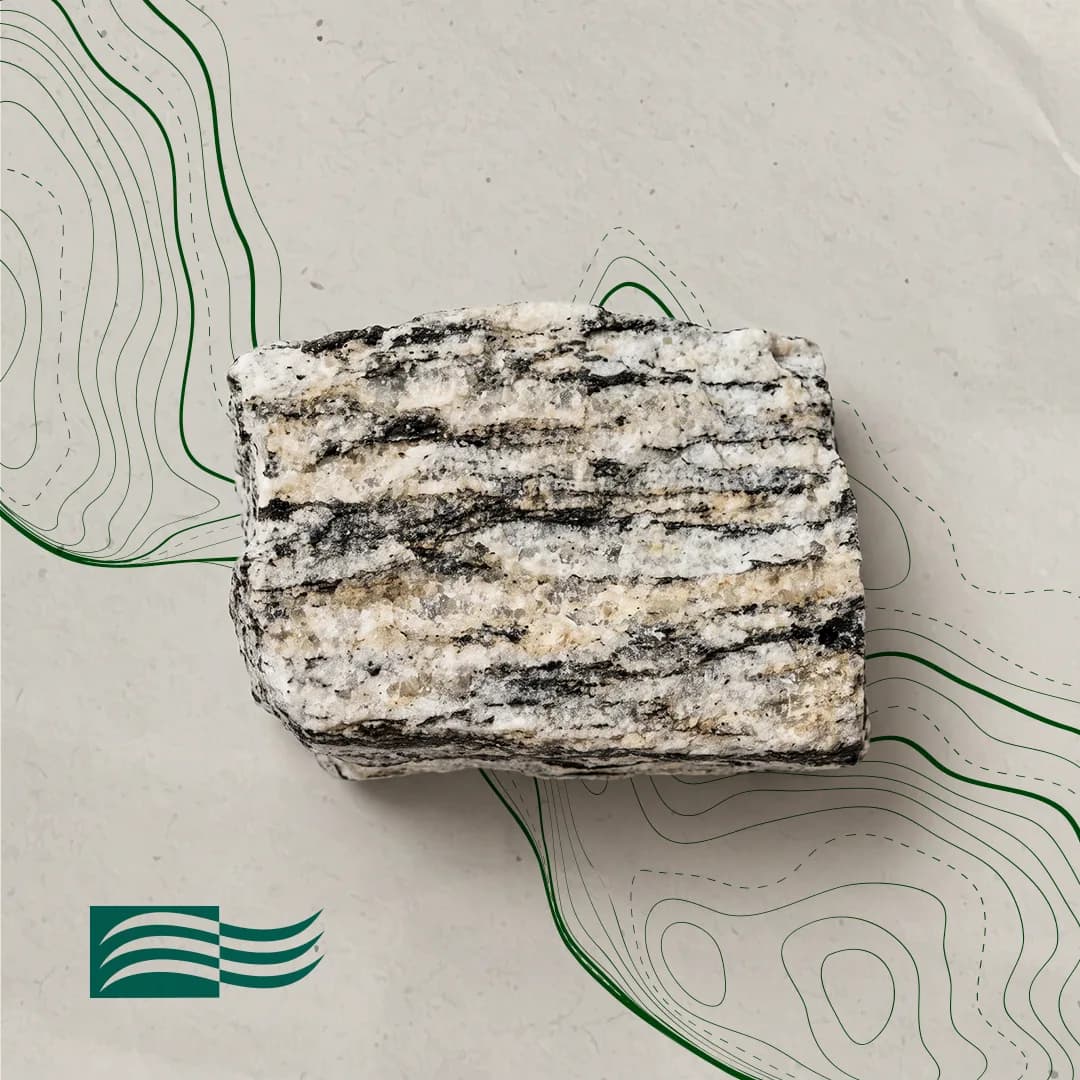
Rock used as crushed stone and aggregate in construction and paving.
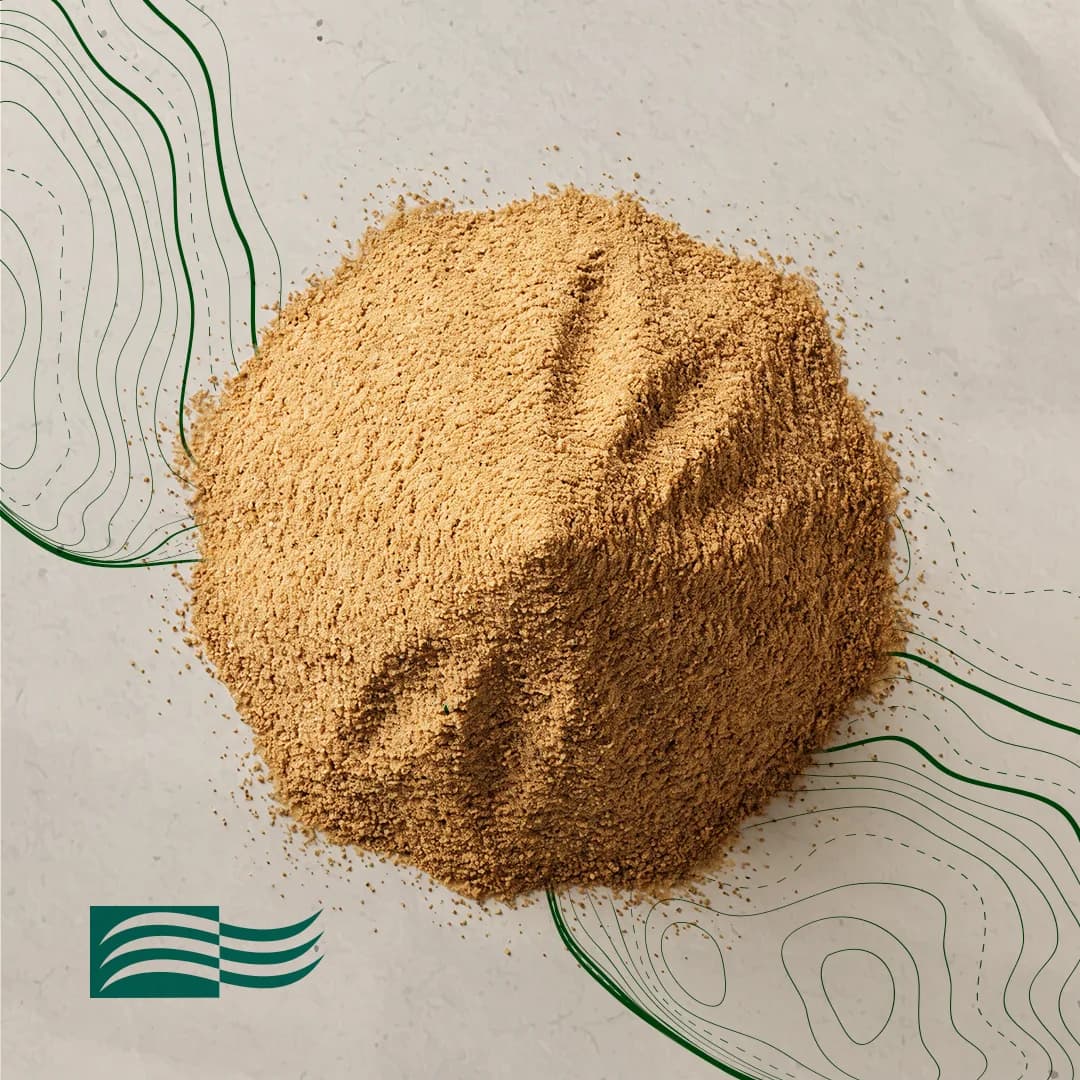
Aggregate for construction and an input for a range of industrial processes.
The descriptions present the industrial application of each substance. A substance mapped in the portfolio does not imply production or commercialisation under way.