SUSTAINABILITY
Environmental restoration came before the mine
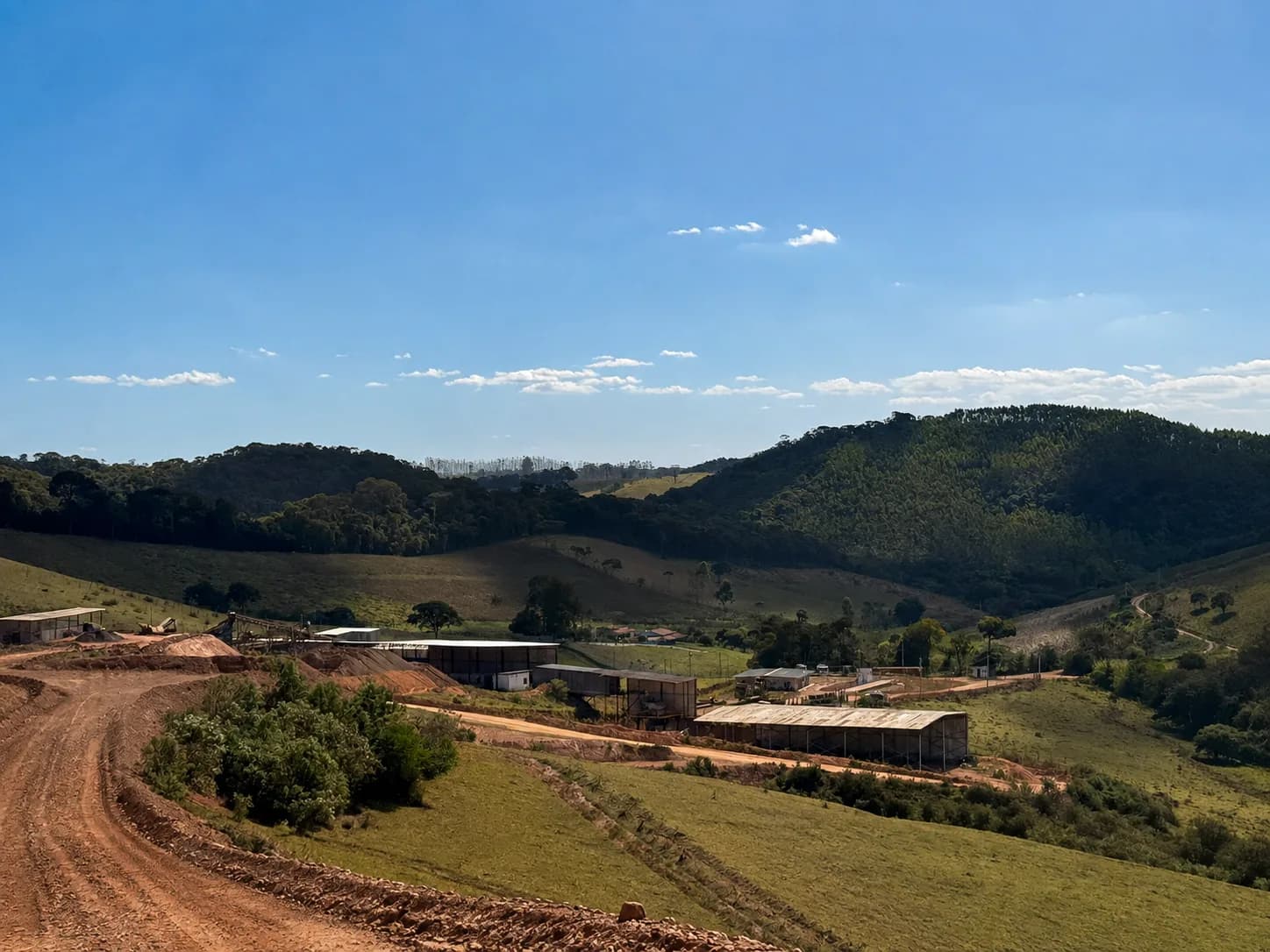
In 1998, the company's first project was to restore degraded land. The method has not changed since.
Restoring came before extracting
Atlântica Minas was founded in 1998 out of a degraded-land restoration project, signed by the architect Gustavo Penna.
That order held as method. Work on environmental restoration is tied to the responsible development of the mineral projects: from the planning of each undertaking, the company considers not only operational viability but also how the areas used are to be protected, controlled and restored over time.
In practice, this means planning actions to avoid and reduce environmental impacts, restore altered areas, protect watercourses and springs, conserve native vegetation and offset the impacts that cannot be avoided.
This work meets the obligations set out in Brazilian environmental legislation: the National Environmental Policy, the Forest Code and the Atlantic Forest Act. In Minas Gerais, it also meets State Law 20,922/2013, COPAM Normative Decision 217/2017 and the other rules applicable to environmental licensing.
Environmental restoration is therefore understood not merely as a legal obligation, but as part of the company's planning and responsibility for the territories where it develops its projects.
Six pillars organise this work: safety, environmental responsibility, compliance, responsible use of natural resources, relationships and transparency, and responsible development.
The six pillars, in detail
The definitions are the company's own, from the internally reviewed document.
How Atlântica reports today
The company does not publish a corporate Sustainability Report. Environmental performance information is recorded in studies, plans, programmes and monitoring reports, prepared within the environmental compliance processes and submitted periodically to the competent agencies, in accordance with the conditions attached to each project's licences and authorisations. Consolidating those results into a single corporate report may be assessed in the future.
Four fronts, one origin
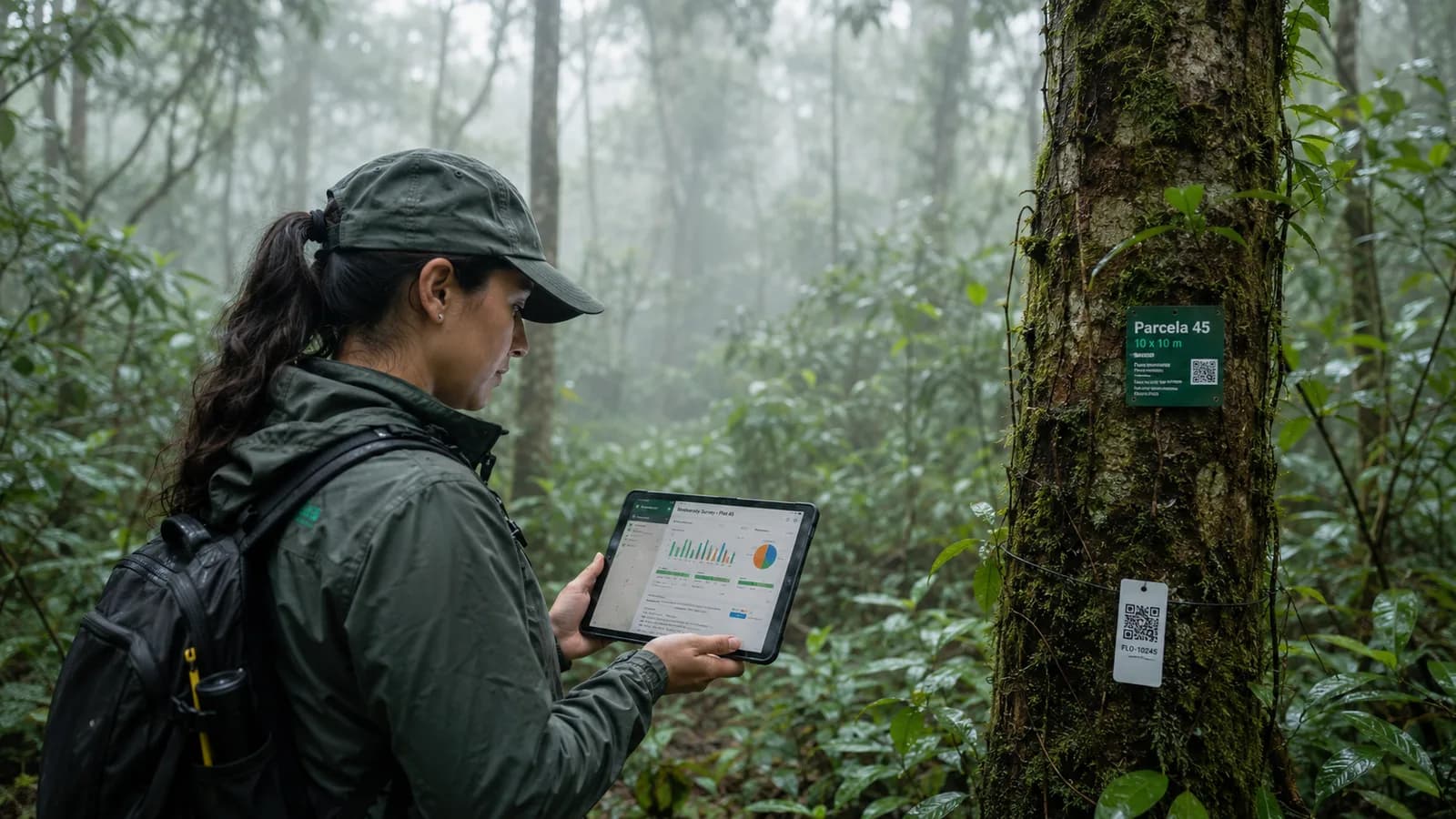
Environment
Eight management fronts, defined by environmental study and by the conditions of each licensing process.
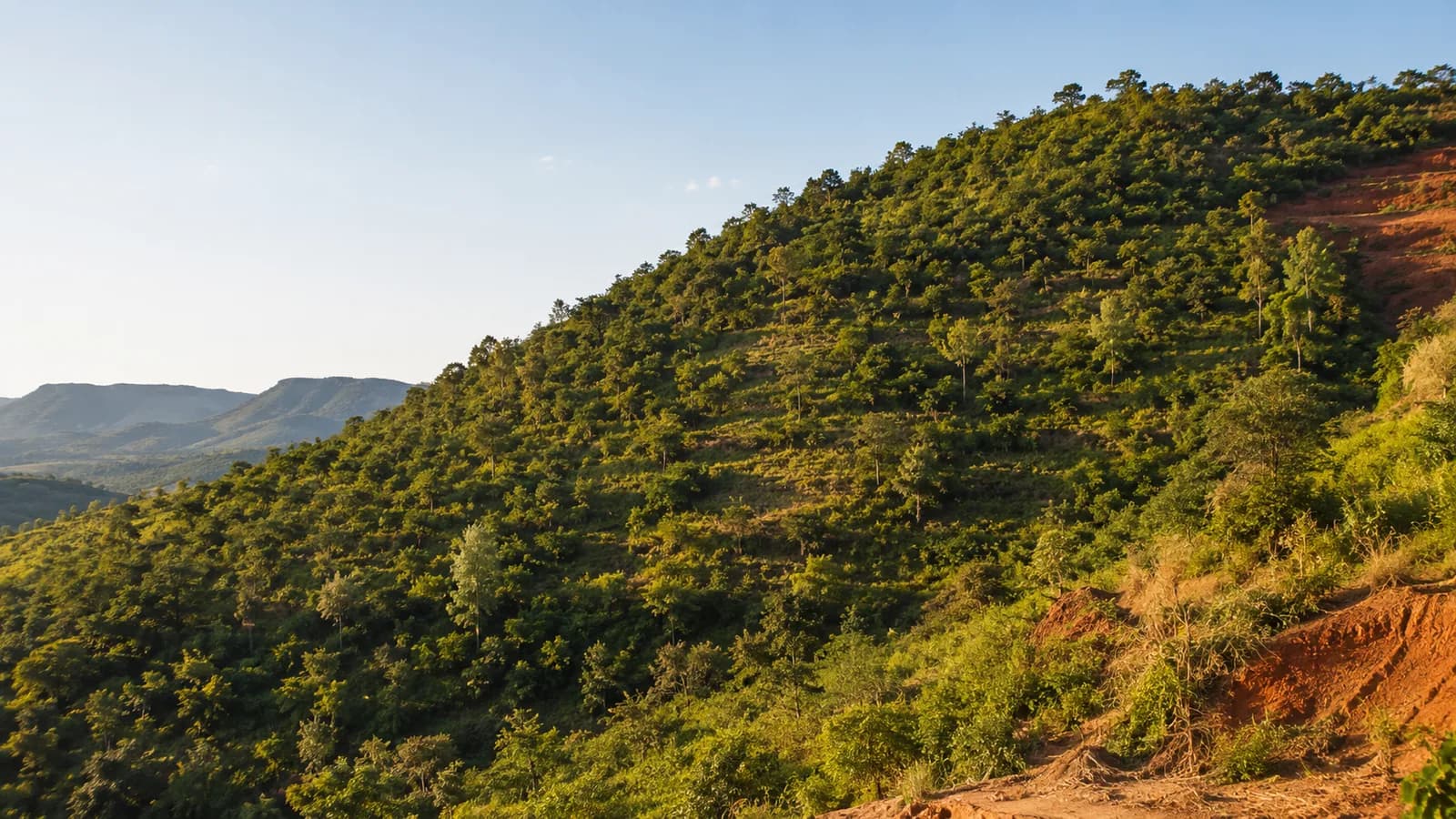
Environmental restoration
The company's origin, in 1998, and the plan that follows every area from the start of permitting.
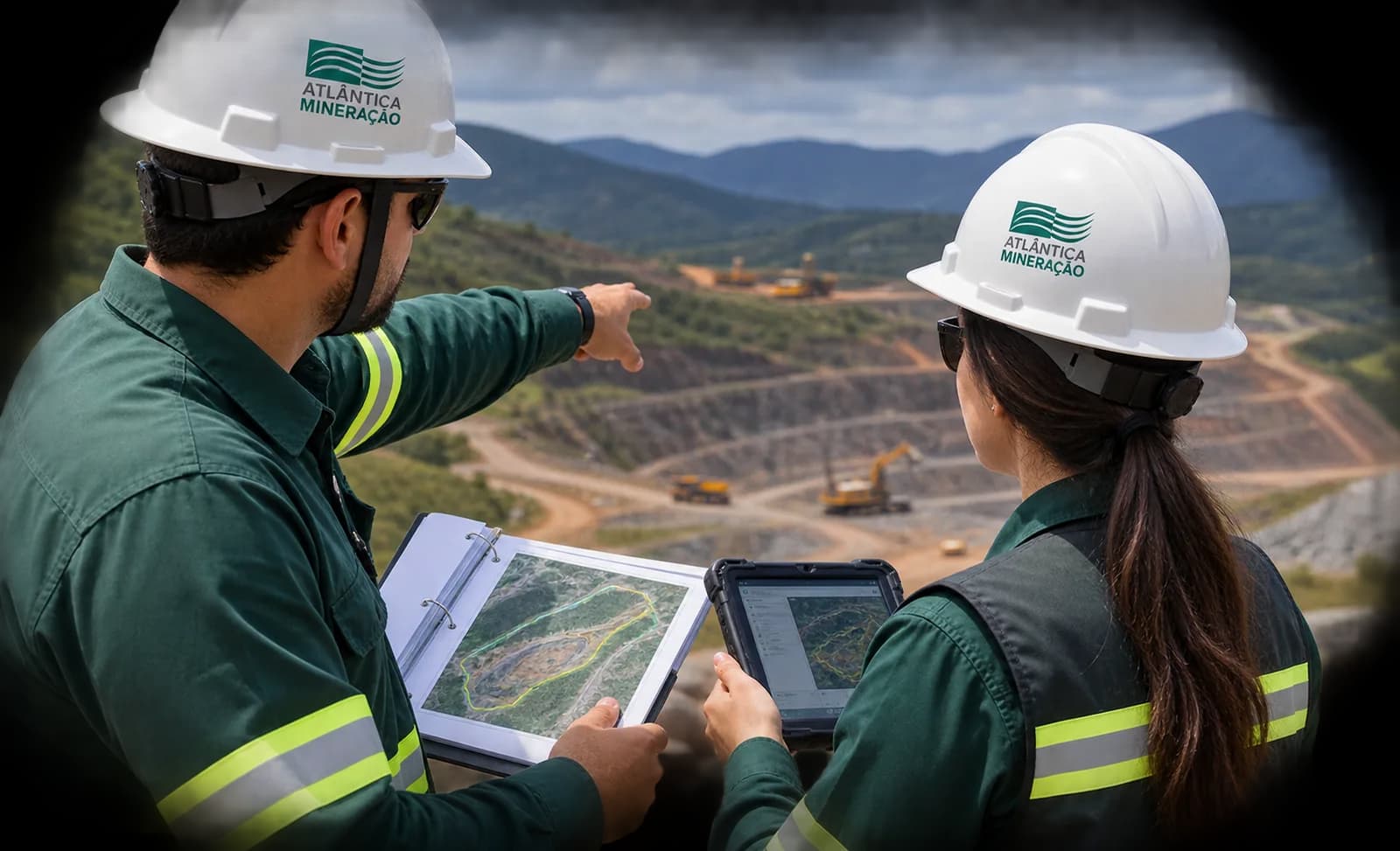
Safety
Protecting people and carrying out the activity within the defined procedure, on every front.
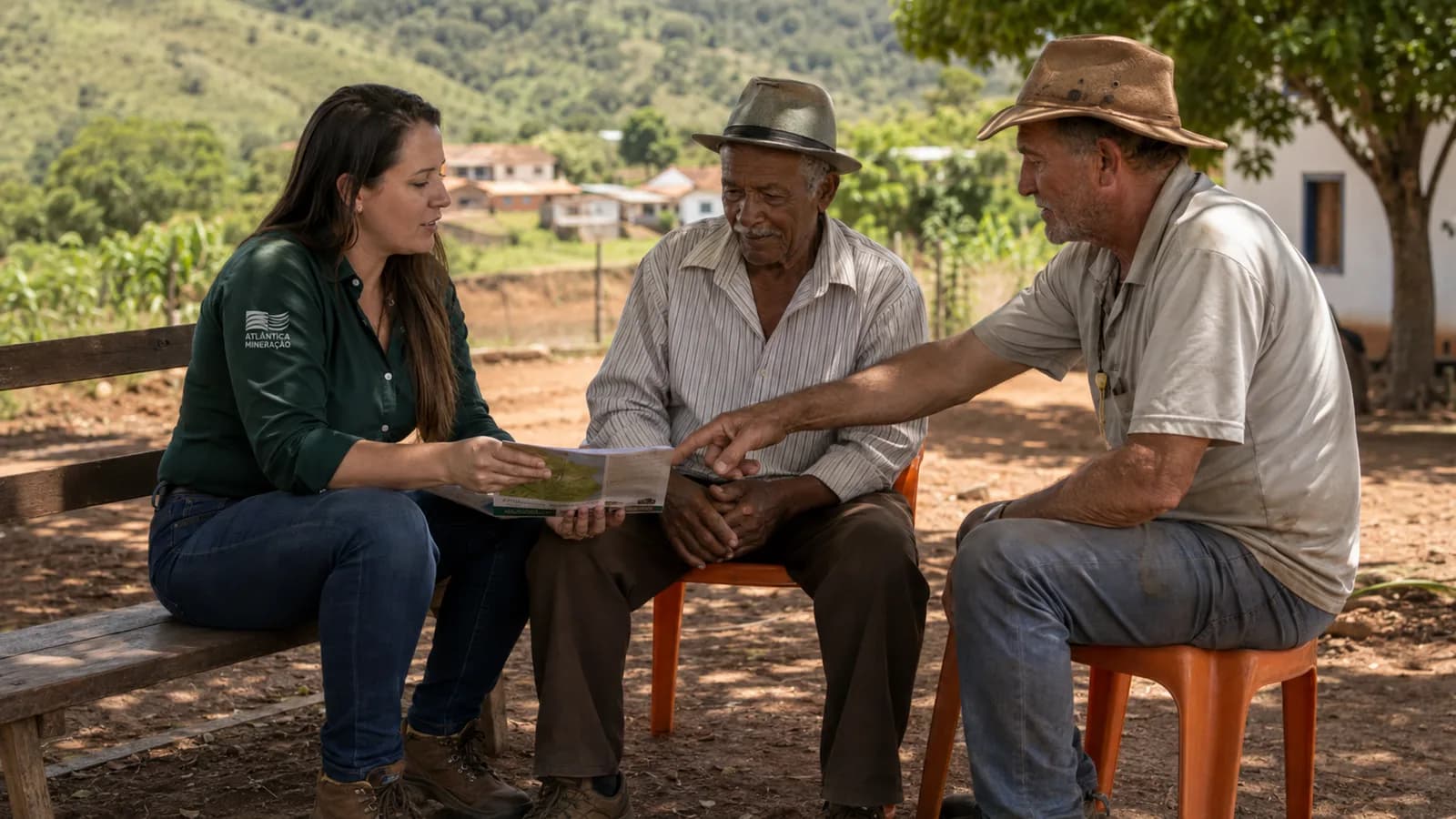
Community and territory
Communication, dialogue and relationships with landowners, communities and other stakeholders.
LEGAL FRAMEWORK
The rules that frame the operation
Each item describes what the rule establishes. There is no legal interpretation here, and no judgement of compliance.